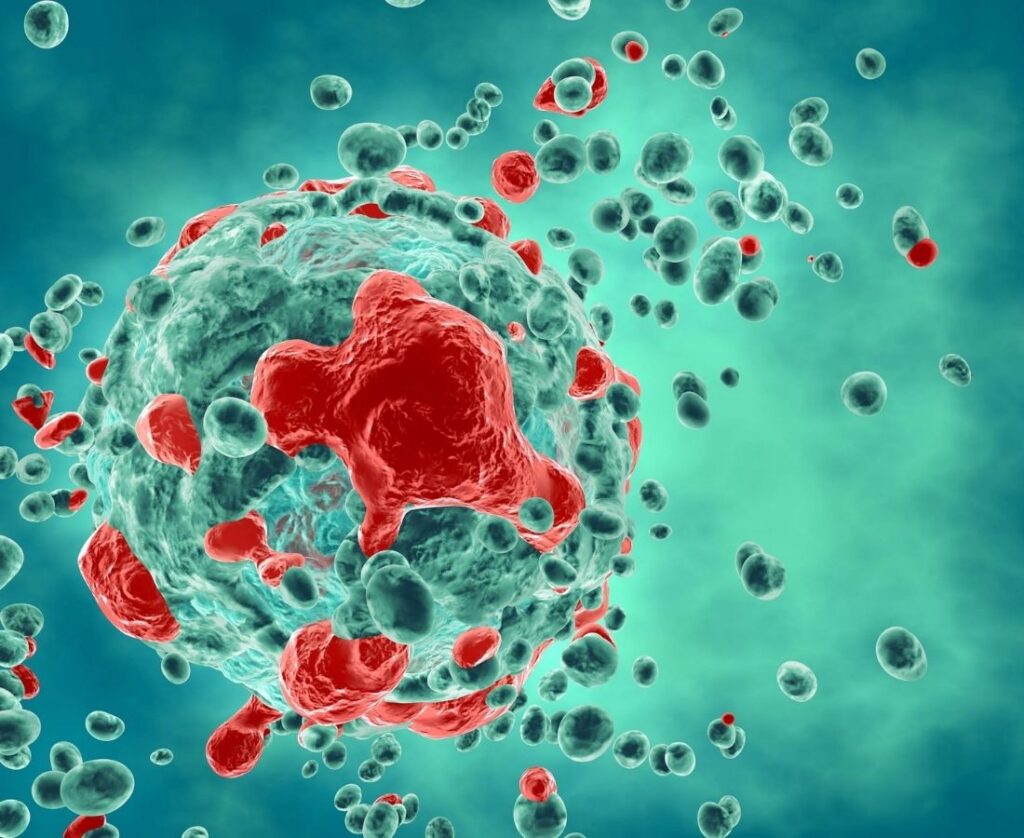
Genetic Cell Aging Analysis
Genetic Cell Aging Analysis
Telomeres are the protective ends of our DNA. They function like a shield, protecting DNA from wear and tear during cell division.
With each cell division, telomeres shorten slightly. When these ends become too short, a cell can no longer function properly and enters a state of senescence. This process is one of the most researched and reliable biological indicators of aging.
The genetic cellular aging test allows us to map this process with precision. Using DNA from buccal swabs, the average length of telomeres is measured and compared against reference values. Unlike many genetic tests, we do not look only at the DNA; our interpretation also considers a wide range of additional factors, such as lifestyle, diet, and other blood tests, to create an accurate and clinically relevant picture of cellular health.